7 Common Mistakes People Make When Caring For Their Dentures
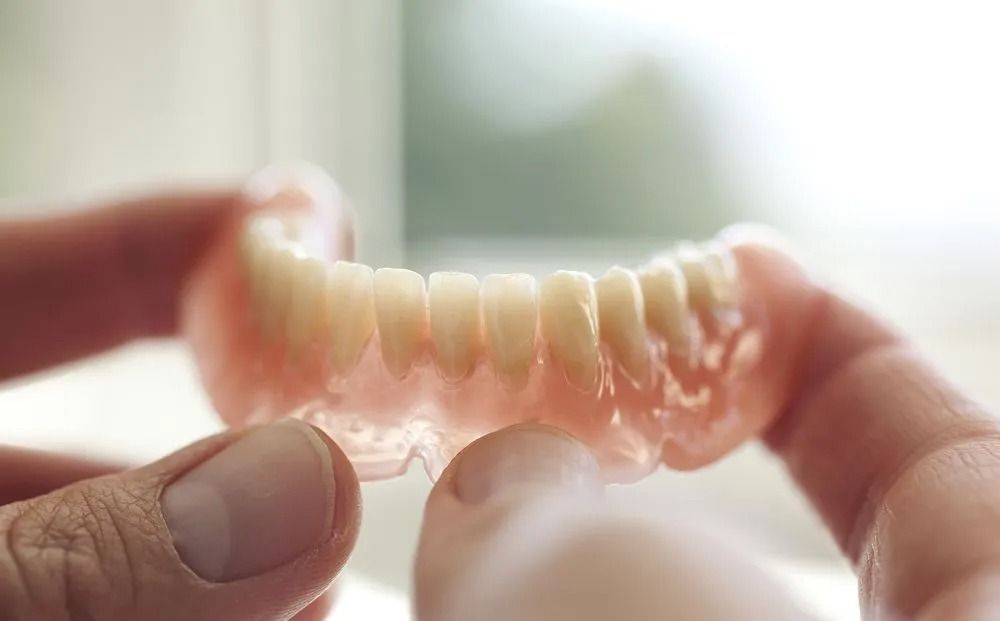
A well-made set of dentures on the Gold Coast can quietly restore confidence, comfort and everyday function, but only when they’re cared for with consistency and care. Many people assume that once their dentures are fitted, maintenance is straightforward, yet small oversights can quickly lead to irritation, poor fit or premature wear. For those relying on denture solutions, understanding what not to do is just as important as knowing best practice. The habits formed in the early days of wearing dentures often shape their long-term performance, and even minor mistakes can compound over time. Poor denture care doesn’t just affect appearance, it can contribute to oral health issues that are more difficult to manage later. By recognising common pitfalls and adjusting daily routines, it becomes far easier to protect both oral health and the lifespan of the dentures themselves.
Skipping Daily Cleaning Routines
Neglecting consistent cleaning is one of the most common issues people experience with dentures: unlike natural teeth, dentures do not have the same resistance to bacterial build-up and require deliberate care. When cleaning routines are skipped or rushed, plaque, food debris and bacteria can accumulate quickly. This not only leads to unpleasant odours but can also irritate the soft tissues of the mouth and contribute to infections such as denture stomatitis. Over time, poor hygiene may even affect how dentures fit, as inflammation alters the shape of the gums.
To maintain cleanliness and comfort, it helps to focus on these essentials:
- Clean dentures at least twice daily using a non-abrasive cleanser
- Rinse thoroughly after eating to remove trapped food particles
- Use a soft denture brush to prevent surface scratching
- Clean the tongue and gums to reduce bacterial transfer
A consistent routine supports both hygiene and the long-term usability of dentures.
Using Regular Toothpaste On Dentures
It may seem logical to clean dentures with standard toothpaste, but this is a frequent mistake that can lead to gradual damage: many toothpastes are formulated with abrasive particles designed to remove stains from enamel, not acrylic surfaces. These abrasives create microscopic scratches on dentures, which not only dull their appearance but also create spaces where bacteria can thrive. Over time, this can make dentures harder to clean and more prone to odour and discolouration.
To avoid unnecessary wear and maintain surface integrity, consider the following:
- Use cleaning products specifically formulated for dentures
- Avoid whitening or abrasive toothpaste products
- Choose gentle, non-abrasive brushes designed for denture care
- Follow recommended soaking times for cleaning solutions
Making this adjustment can help preserve both the appearance and hygiene of dentures.
Not Removing Dentures Overnight
Wearing dentures continuously without giving the gums a break is another common oversight: while it may feel convenient, keeping dentures in overnight places constant pressure on the underlying tissues. This can restrict blood flow, increase irritation and create an environment where bacteria and fungi can flourish. Over time, this habit can lead to inflammation, discomfort and even infection.
A more supportive nightly routine allows the mouth to recover and maintain balance:
- Remove dentures before going to bed each night
- Gently clean dentures and rinse the mouth thoroughly
- Store dentures in a suitable soaking solution overnight
- Allow gums several hours of rest without pressure
Giving the gums time to recover plays a key role in maintaining long-term comfort and oral health.
Improper Storage Leading To Warping
Dentures are carefully designed to fit the unique contours of the mouth, and improper storage can compromise that precision: when dentures are left exposed to air, they can dry out and lose their shape. Similarly, exposure to heat can cause warping, making them uncomfortable or unstable when worn. Even minor distortions can affect how dentures sit against the gums.
To protect their structure and fit, proper storage practices are essential:
- Always store dentures in water or a recommended denture solution
- Avoid using hot water, which can alter their shape
- Keep dentures in a secure container to prevent accidental damage
- Ensure they remain fully submerged when not in use
Maintaining the correct storage conditions helps preserve both comfort and function.
Ignoring Changes In Fit Or Comfort
Dentures are not static, as the shape of the gums and jaw naturally changes over time: this means that even well-fitted dentures may begin to feel different months or years after being made. Ignoring these changes can lead to sore spots, difficulty chewing and reduced stability. In some cases, ongoing irritation may contribute to more serious oral health concerns.
Being aware of subtle changes can make a significant difference:
- Notice any slipping or movement during speaking or eating
- Monitor for persistent sore spots or pressure areas
- Pay attention to changes in bite alignment
- Seek professional adjustments when discomfort arises
Addressing fit issues early helps prevent complications and supports continued comfort.
Attempting DIY Repairs At Home
When dentures become damaged, it can be tempting to attempt a quick fix at home: however, this often leads to further complications. Household adhesives are not designed for oral use and can introduce harmful chemicals or alter the structure of the denture. Even minor cracks or chips can worsen if not repaired correctly, leading to more extensive damage.
A safer approach involves seeking appropriate care:
- Avoid using glue or over-the-counter repair kits
- Do not attempt to bend or reshape dentures yourself
- Store damaged dentures safely to prevent further breakage
- Arrange for professional repair as soon as possible
Professional repairs ensure that dentures remain safe, functional and properly aligned.
Neglecting Regular Professional Check-Ups
Even when dentures feel comfortable, routine check-ups remain an important part of ongoing care: regular assessments allow for early detection of wear, fit changes or oral health concerns that may not yet be noticeable. Skipping these appointments can mean that small issues go unaddressed until they become more complex.
Ongoing care should include regular review and maintenance:
- Schedule periodic denture assessments
- Check for signs of wear, cracks or material fatigue
- Review and refine cleaning techniques if needed
- Adjust fit to accommodate natural changes in the mouth
These visits help extend the lifespan of dentures while maintaining comfort and function.
Eating Habits That Put Excess Strain On Dentures
Dietary habits can have a significant impact on how dentures perform over time: certain foods place excessive strain on dentures, increasing the risk of movement, cracking or discomfort. Hard, sticky or unevenly chewed foods can disrupt balance and put pressure on specific areas.
Making small adjustments to eating habits can reduce unnecessary stress:
- Avoid very hard foods such as ice or hard lollies
- Limit sticky foods that can dislodge dentures
- Cut meals into smaller, manageable pieces
- Chew evenly on both sides to maintain balance
Thoughtful eating habits contribute to both durability and daily comfort.
A Personal Approach To Long-Term Denture Care
We at Dental Prosthetics by Richard & Cindy understand that caring for dentures is not always straightforward, especially when small mistakes can have lasting effects. As a small, two-person clinic, our approach is hands-on and focused on practical guidance that fits into everyday life. If you’ve noticed changes in comfort, fit or overall performance, booking a consultation with our denture clinic on the Gold Coast is a sensible next step. We take the time to assess your dentures properly, offer tailored advice and help you maintain them with confidence. Get in touch today to arrange a visit or call us to ensure your dentures continue to support your comfort and wellbeing.