How To Choose The Right Denture Type For Your Lifestyle On The Gold Coast
Last Update: October 22, 2026
Thinking about dentures often starts with one question: what will feel natural in everyday life? At our small, two-person clinic in Oxenford, we know that the answer depends on more than appearance.
If you're wondering how to choose the right denture type, the main considerations are how many natural teeth you still have, how much stability you need when eating and speaking, whether you want to avoid surgery and what your budget allows.
It's also worth asking whether you need a new appliance at all. Sometimes an existing denture simply needs its fit reviewed.
Which Denture Type Is Right for You? The Short Answer
If you still have healthy natural teeth, a partial denture may be worth discussing. If all the teeth in one jaw are missing, a full denture may be appropriate. For someone whose conventional denture moves when eating or speaking, implant support is another possibility. But implants aren't automatically the right answer, and not everyone is suitable for implant surgery.
We'd rather understand what's happening in your mouth and what matters to you than recommend an option based on its popularity. A well-made conventional denture can be an appropriate choice for many people. Implant support offers another approach where additional retention is needed and a dentist or surgeon confirms that implants are suitable.
What Matters Most to Your Lifestyle?
Before we talk materials or teeth shades, we look at how you live.
- Do you enjoy crunchy fruit, steak or crusty bread?
- Are you on the go most days, or do you prefer quieter routines?
- Do you speak in public, volunteer or sing in a choir?
- What is comfortable for your budget and maintenance time?
These aren't small details. They tell us which compromises you're comfortable making and which daily activities matter most.
Eating and speaking
A denture needs to work with the way your jaws move. We pay attention to occlusion, which simply means how your upper and lower teeth meet when you bite. An uneven bite can contribute to unwanted denture movement. But the answer isn't always a different denture type; we'd need to examine the fit and bite before suggesting a change.
Confidence and activity level
Some people are mainly concerned about appearance. Others worry about movement during a conversation, eating with friends or being active outdoors. We take those concerns seriously without assuming that everyone needs the most complex option.
Budget and ongoing care
Different appliances involve different materials, design requirements and maintenance needs. Implant-supported options also involve separate surgical and attachment components, which generally increase the initial financial commitment. We can discuss the factors affecting the denture component and provide a quote after assessment.
Full or Partial: How Much Natural Tooth Do You Still Have?
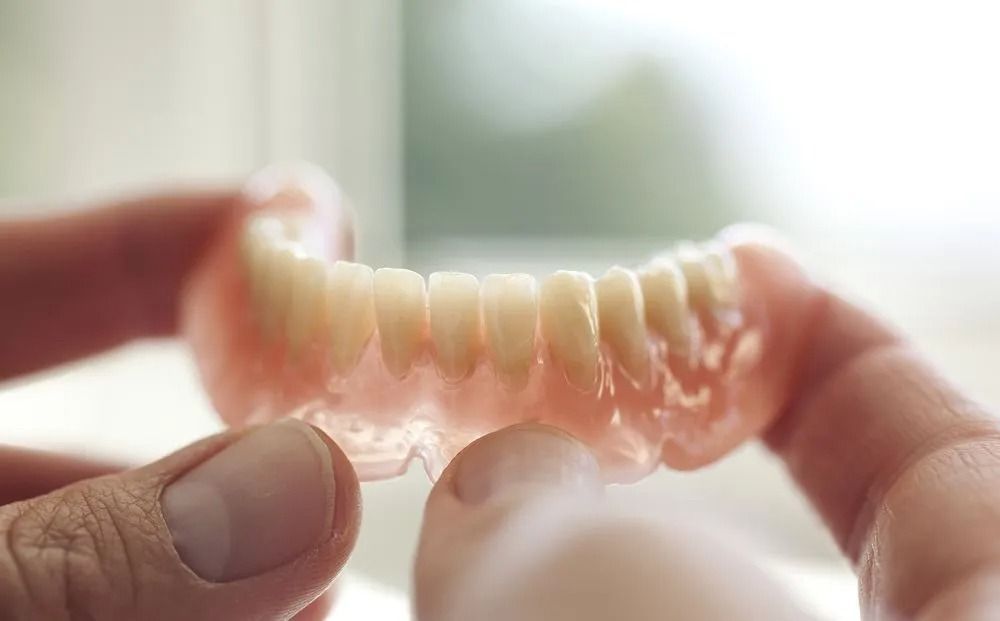
The first distinction is whether you have natural teeth remaining in the jaw where you need a denture. A full denture replaces all the teeth in an upper or lower arch. A partial replaces missing teeth while working around the natural teeth that remain. If you still have healthy teeth worth keeping, a partial denture is often where we start the conversation.
Partial dentures may use clasps that engage suitable natural teeth to help hold the appliance in position. This is called clasp retention. The design needs to account for the condition and position of those teeth, as well as how the denture sits when you bite.
Full dentures rely on support from the gums and underlying tissues. Over time, the bone ridge beneath a denture can change shape. This is called ridge resorption, and it can affect how securely the appliance sits.
Neither option is automatically more comfortable or appropriate. The condition of your mouth and the design of the appliance both matter. Each appliance is custom-made here at our Oxenford clinic. For a broader explanation of the available designs, read our article on
the most popular types of dentures.
Dentures or Implants? An Honest Comparison
One question we hear in the clinic is whether implants are the only proper way to replace missing teeth. They aren't. Conventional dentures and implant-supported dentures have different advantages, limitations and treatment requirements. The right discussion starts with what you're hoping to change.
| What matters | Conventional dentures | Implant-supported dentures |
|---|---|---|
| Stability when eating and speaking | Depend on fit, the supporting tissues and muscle control. Some movement can occur, particularly with lower dentures. | Attach to implants in the jaw and can offer greater retention, although the appliance still needs correct design and maintenance. |
| Suitability | Depend on the condition of the mouth, supporting tissues and any remaining teeth. | Also require assessment of bone quantity and quality, gum condition and overall oral health by a dentist or surgeon. |
| Upfront cost and ongoing care | Usually involve a lower initial commitment, but adjustments or relines may be needed as the mouth changes. | Generally involve greater upfront costs because implant placement and attachment components are involved. Ongoing maintenance is still required. |
| Treatment time | Usually avoid the additional surgical and healing stages involved in implant placement. | Involve assessment, implant surgery and healing before the denture can be attached, depending on the treatment plan. |
Stability Isn't the Only Consideration
An implant-supported denture may reduce movement because it attaches to implants rather than relying entirely on the gum ridge for retention. That's particularly relevant when someone describes a lower denture lifting while eating.
But movement doesn't automatically mean implants are necessary. If a denture has become loose because the supporting tissues have changed, we may first assess whether a reline could improve its fit. Our
denture relines service explains that option in more detail.
Who Places the Implants?
This distinction is important. A dentist or appropriately qualified surgeon assesses suitability and places dental implants. At our clinic, we design, make and fit the denture appliance that attaches to those implants.
Implant suitability depends on factors including bone density, gum condition and overall oral health. If stability is your main concern, our
implant supported dentures page explains more about the appliance itself.
Which Option Fits Your Situation? A Quick Checklist
These examples can help you decide what to ask about at your appointment. They're conversation starters, not clinical recommendations.
You still have several healthy natural teeth.
Ask whether a
partial denture could replace the missing teeth while working around those you still have.
Your lower denture lifts when you eat or speak.
Ask us to review its current fit and bite. Depending on the findings, a reline, adjustment or discussion about implant support may be appropriate.
You'd rather avoid surgery.
Tell us that early. Conventional removable dentures may offer a suitable non-surgical approach, depending on your oral condition and goals.
You've worn the same denture for some time and it feels loose.
That doesn't necessarily mean you need a completely different type. Changes in the gum ridge can affect retention, so we'd want to examine the appliance and supporting tissues first.
You want more stability and are open to implant treatment.
A dentist or surgeon would need to assess whether implants are suitable. We can then discuss the denture component and how it would work with the proposed implant arrangement.
You've lost another tooth since your partial denture was made.
Ask whether the existing appliance can be altered. In some cases, a tooth can be added, but the denture's material, condition and design affect what's possible.
Questions to Bring to Your Consultation
You don't need to arrive knowing which appliance you want. It's more useful to explain what you're finding difficult. Does your denture move during meals? Are certain words harder to pronounce? Is cleaning or removing the appliance awkward? Have you noticed changes in your bite?
Bring your existing denture if you have one, and tell us about any previous adjustments or concerns. We can also discuss the relative costs of the options you're considering and provide a quote based on your circumstances.
For more about the available appliances and how fitting works, see our main service page linked at the end of this guide.
Frequently Asked Questions
Do I need a denture check-up if my dentures feel fine?
Yes. Fit changes happen gradually as your gums and jawbone continue to shrink, so most people don't notice the shift until a sore spot or looseness appears. A yearly check catches these changes before they become uncomfortable.
How long am I without my dentures during a reline?
It depends on the type of reline required, but many are completed same-day to within a couple of days. We'll talk through the expected timeframe with you before starting any work.
How do I know if I need a reline or a whole new denture?
A reline is usually appropriate when the fit has changed but the denture teeth are still in good condition. A remake becomes the better option when the bite surfaces are worn down or when previous relines are no longer holding the fit properly.
Does a denture reline cost less than a new set?
Generally, yes. A reline addresses the fit without remaking the entire denture, so it's typically far less costly than a full replacement. We can give you a clearer indication of cost once we've assessed your specific denture.
Still Unsure Which Way to Go?
Choosing between conventional and implant-supported dentures is about finding an option that suits your mouth, everyday routine and preferences—not choosing whichever sounds most advanced.
If you'd like to explore the full range of appliances we make, our dentures Gold Coast page explains the available options. Booking a consultation with our denture clinic gives us the opportunity to look at your individual circumstances and discuss what may be suitable.
If a denture is damaged, don't attempt a DIY repair or use superglue or a home repair kit. These products can be toxic or damage the appliance further, sometimes making professional repair impossible.
Don't continue wearing a denture that causes an ulcer or a sore that isn't settling. Any sore, ulcer or lump that hasn't healed after two weeks should be checked promptly by a dentist or doctor. Healthdirect provides further guidance on persistent mouth sores.
This article is general information only and isn't a substitute for having your own mouth assessed. Please call our clinic on
(07) 5529 1411
or
speak to your dentist.