What Gold Coast Patients Should Know Before Getting New Dentures
Many people spend months, sometimes years, putting off the decision to get dentures. Whether it's uncertainty about the process, concerns about cost, or simply not knowing where to begin, the hesitation is understandable. But for those who've reached the point where their remaining teeth are no longer functional, or where tooth loss has started affecting their confidence and quality of life, moving forward with dentures is often one of the most practical and life-improving decisions a person can make.
If you're considering this step for the first time, this guide covers what to know before getting new
dentures on the Gold Coast, from understanding your options to managing your expectations and preparing your mouth for the journey ahead.
Understanding the Different Types of Dentures
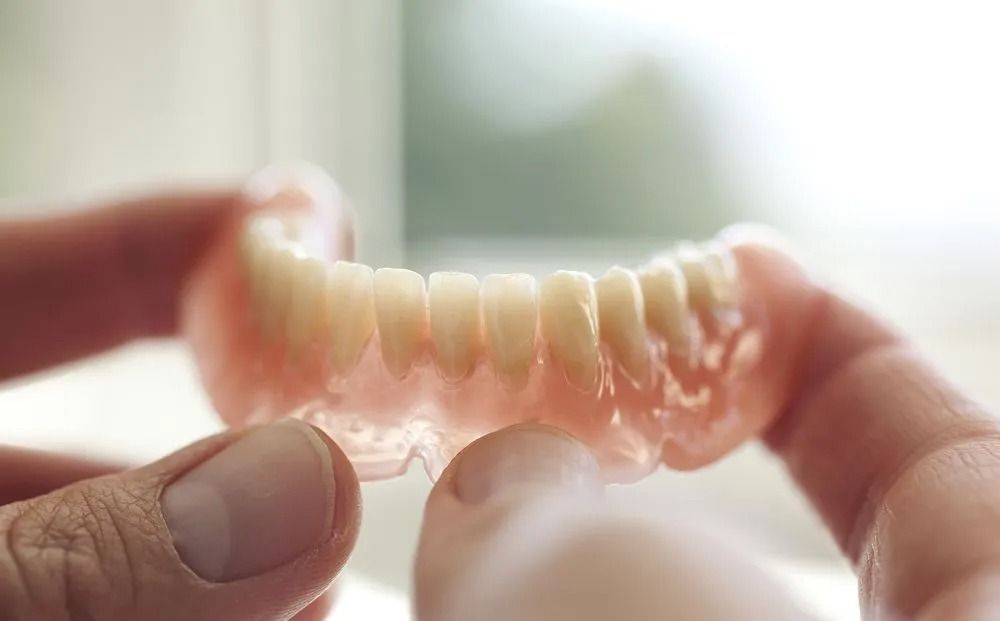
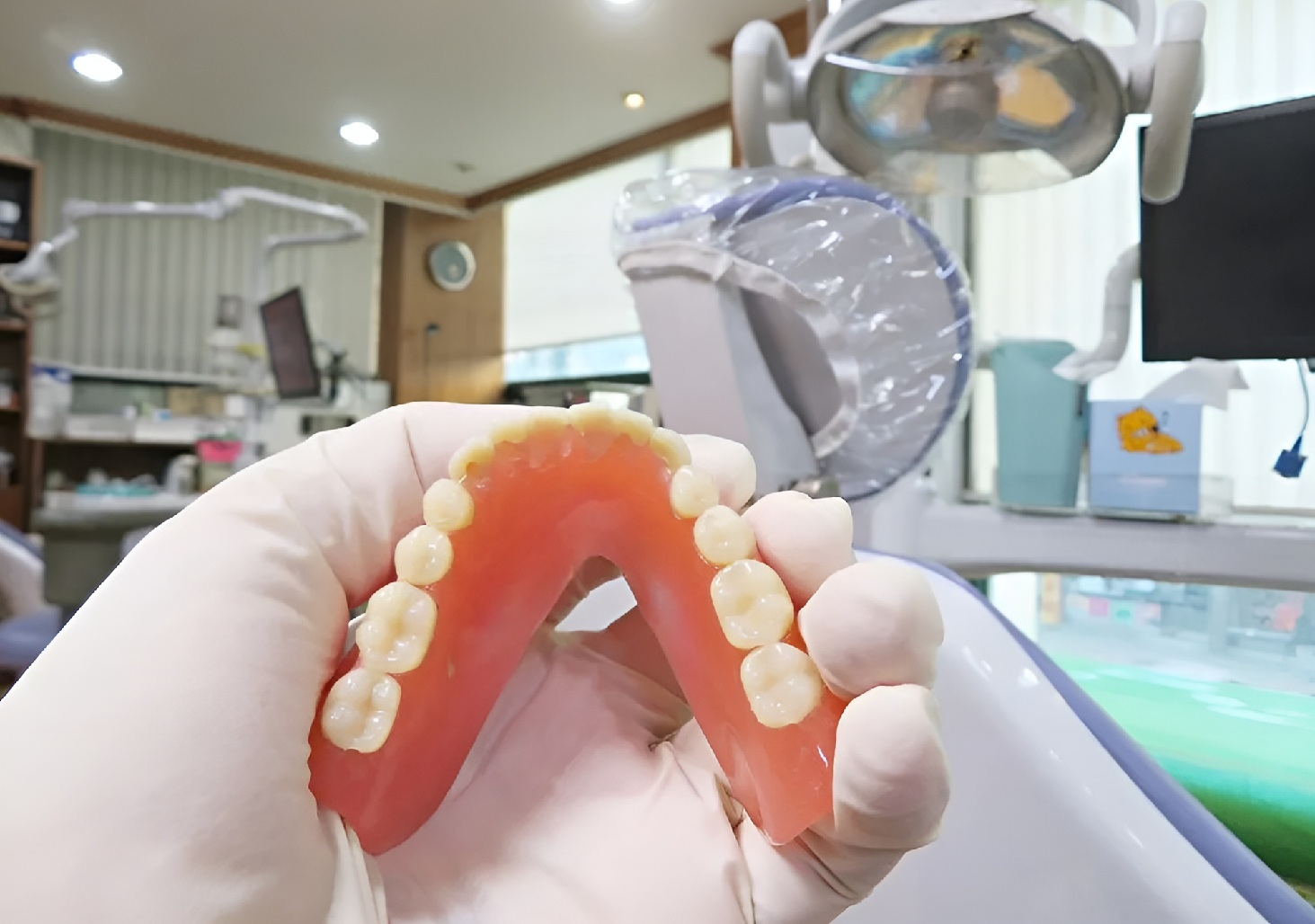
Not all dentures are the same and the variety of options available today means there's likely a solution tailored to your specific situation. Before committing to any treatment, it's worth understanding what's on the market, including the most popular types of dentures on the Gold Coast and how each type serves a different need.
- Full (complete) dentures replace an entire arch of teeth and rest on the gums. They're typically used when all natural teeth in the upper or lower jaw have been lost.
- Partial dentures are designed to fill gaps left by one or more missing teeth while the remaining natural teeth stay in place.
- Immediate dentures are inserted on the same day teeth are extracted, so you're never without teeth during the healing period.
- Implant-retained dentures are anchored to dental implants for added stability and are a longer-term investment for those wanting a more secure fit.
Understanding these categories is the first step toward
choosing the right denture type and helps you walk into your first consultation with the right questions already forming in your mind.
What to Expect During Your Initial Consultation
Getting dentures for the first time involves more than showing up and walking out with a new smile. The initial consultation is a thorough process that lays the groundwork for everything that follows. Expect your prosthetist to assess the condition of your gums, any remaining teeth and the overall structure of your jaw.
This appointment is also your opportunity to raise any concerns you've been sitting on. Good things to discuss include:
- Your dental and medical history, including any medications you're taking
- Whether any extractions are needed before denture fabrication begins
- Your lifestyle and how active you are — this can influence which denture type is most appropriate
- Any previous denture experience and what worked or didn't work
Coming prepared makes this conversation more productive and ensures the treatment plan reflects your actual needs.
Preparing for New Dentures: Oral Health Comes First
One of the most important and often overlooked aspects of preparing for new dentures is the state of your existing oral health. If you have remaining teeth with decay, gum disease or infection, these issues need to be addressed before denture fabrication begins. Skipping this step can compromise the fit of your dentures and lead to ongoing discomfort.
Preparing for new dentures from an oral health standpoint means:
- Having any necessary extractions done with adequate healing time built in
- Treating active gum disease to ensure the gum tissue that supports your dentures is healthy & stable
- Understanding that gum & bone tissue changes shape after extractions, which is why timing matters
- Discussing with your prosthetist whether immediate dentures or a delayed fit suits your situation better
Rushing this stage often leads to a poor fit down the track and a poor fit means adjustments, discomfort and potential additional costs.
How Dentures Are Made: The Fabrication Process
There's a level of craftsmanship involved in denture fabrication that surprises many first-time patients. These aren't off-the-shelf products. Each set is custom-made based on detailed impressions of your mouth, ensuring the fit, function and appearance are specific to you.
The typical process involves several appointments:
- Taking precise impressions of your gums & remaining teeth
- Recording the relationship between your upper & lower jaw (bite registration)
- A trial fitting, where you review the appearance & bite before final fabrication
- Delivery of the finished dentures, followed by any minor adjustments
This process takes time, usually several weeks from the first impression to the final fitting, which is worth factoring into your planning, particularly if you have events or commitments where your appearance matters to you.
First-Time Denture Tips for Wearing & Speaking
Adjusting to dentures takes patience. If you're getting dentures for the first time, it's completely normal to experience some awkwardness in the early days. The muscles in your cheeks, tongue and lips need time to adapt to holding the dentures in place and speech may feel slightly different at first.
Some practical first-time denture tips for the adjustment period:
- Start with soft foods cut into small pieces & gradually work your way back to a more varied diet
- Practice reading aloud or having conversations to help your mouth adapt to the new feel
- Use a small amount of denture adhesive if needed during the initial weeks while your muscles adjust
- Remove your dentures at night to allow your gum tissue to rest
Minor soreness in the first week or two is normal, but persistent pain, pressure points or difficulty biting should be flagged with your prosthetist promptly.
Managing Expectations: What Dentures Can & Can't Do
Dentures restore a great deal — appearance, the ability to chew a wider range of foods and confidence in social situations. But going in with realistic expectations means you'll be far better equipped to work with your dentures rather than against them.
A few honest realities to keep in mind:
- Dentures don't replicate the full bite force of natural teeth, so some foods (particularly very hard or sticky ones) may remain difficult
- Full dentures, particularly lower dentures, can feel less stable than upper ones due to differences in gum ridge anatomy
- Bone loss in the jaw continues over time after tooth loss, which means dentures will eventually need relining or replacing as the fit changes
- Regular check-ups with your prosthetist help catch signs your dentures no longer fit before they become problems
Understanding this upfront removes the frustration that can come when expectations don't match reality.
Questions to Ask Before You Commit
Walking into your first appointment armed with thoughtful questions is one of the simplest ways to feel more confident about the process. Rather than leaving details to assumption, asking directly ensures you understand what you're agreeing to financially, practically and clinically.
Useful questions to consider asking include:
- What type of denture do you recommend for my situation & why?
- What is included in the quoted cost & are adjustments covered?
- How long will the fabrication process take from start to finish?
- What are the maintenance requirements to keep the dentures in good condition?
- What happens if the fit changes over time?
A prosthetist who takes the time to answer these thoroughly, without rushing you, is one worth trusting with your care.
Long-Term Care & Maintenance of Your Dentures
Once your dentures are fitted, the work doesn't stop there. Caring for your new dentures properly extends their life and protects your gum health at the same time. Many first-time wearers underestimate how much daily maintenance matters.
Good denture care habits include:
- Rinsing your dentures after every meal to remove food particles
- Brushing your dentures daily with a soft-bristled brush & non-abrasive denture cleaner (not regular toothpaste, which is too abrasive)
- Soaking dentures overnight in water or a denture-soaking solution to prevent them from drying out & warping
- Handling them carefully over a folded towel or basin of water to avoid damage from drops
- Attending regular reviews so your prosthetist can check the fit & condition
With consistent care, a well-fitted set of dentures can serve you comfortably for many years.
Ready to Take the Next Step?
We at Dental Prosthetics By Richard & Cindy understand that considering dentures for the first time brings up a lot of questions and that's exactly why we've built our practice around a personal, hands-on approach. As a small, two-person clinic, every patient who walks through our door receives our direct attention from the very first consultation through to the final fitting and beyond.
Living on the Gold Coast comes with its own rhythms — active lifestyles, social engagements and a climate that keeps people outdoors and connected with others. We know how much it matters to feel comfortable and confident in your daily life and we take that seriously when working with patients on their treatment plan.
If you're ready to explore your options, we'd welcome the chance to sit down with you and walk through what the process looks like for your specific situation. If you’ve been searching for
Dentures near me, give us a call to book your initial consultation. There's no pressure, just a straightforward conversation about what's possible.